We visited Stockholm during a Baltic cruise. Rising from the waterfront in warm red brick and crowned by Sweden’s famous Three Crowns, Stockholm City Hall seemed less like a government building and more like a medieval fortress overlooking the city.
What looks from the outside like a massive brick stronghold unfolds inside into a sequence of grand ceremonial spaces, each revealing a different chapter of Swedish history, culture, and civic pride.
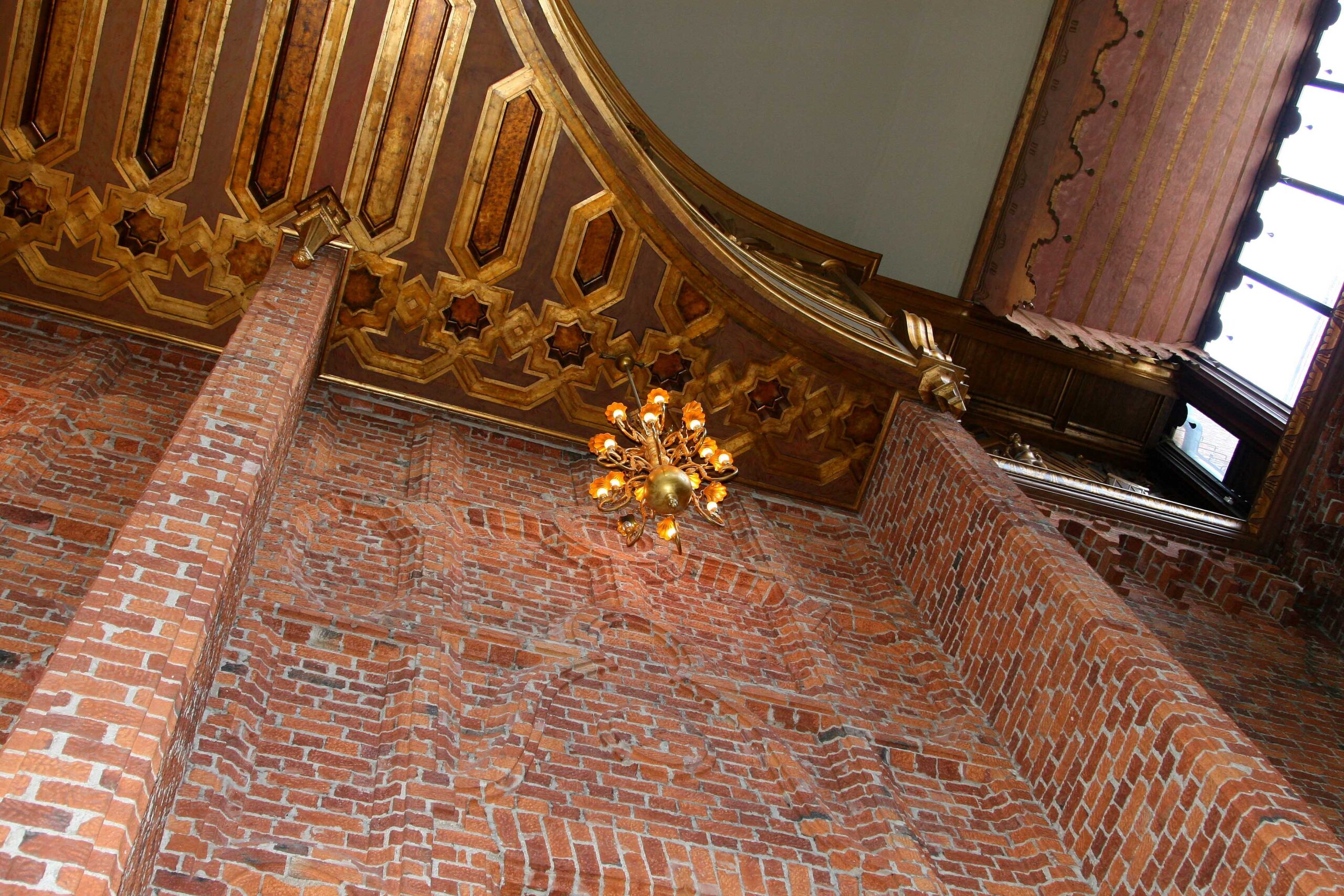
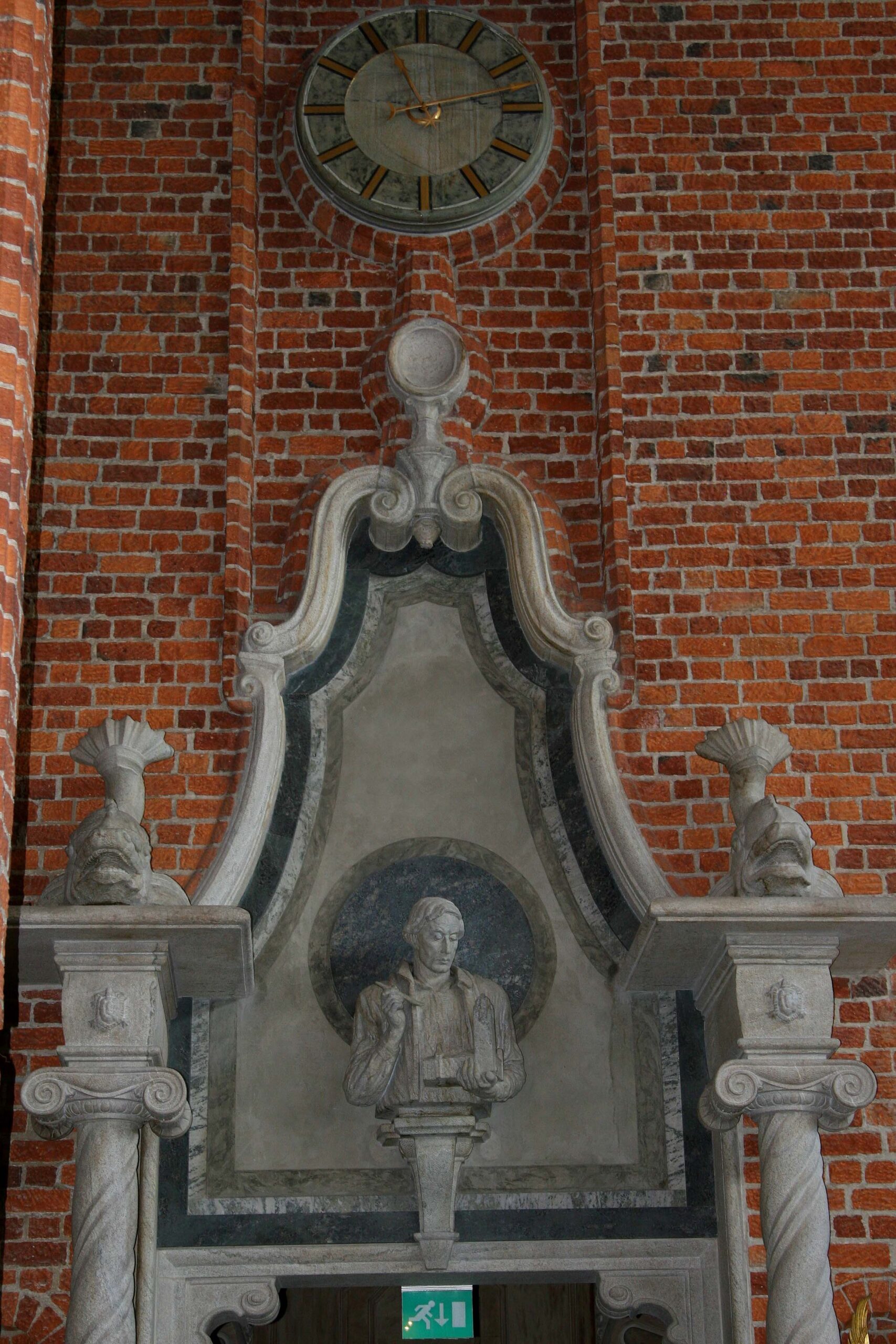
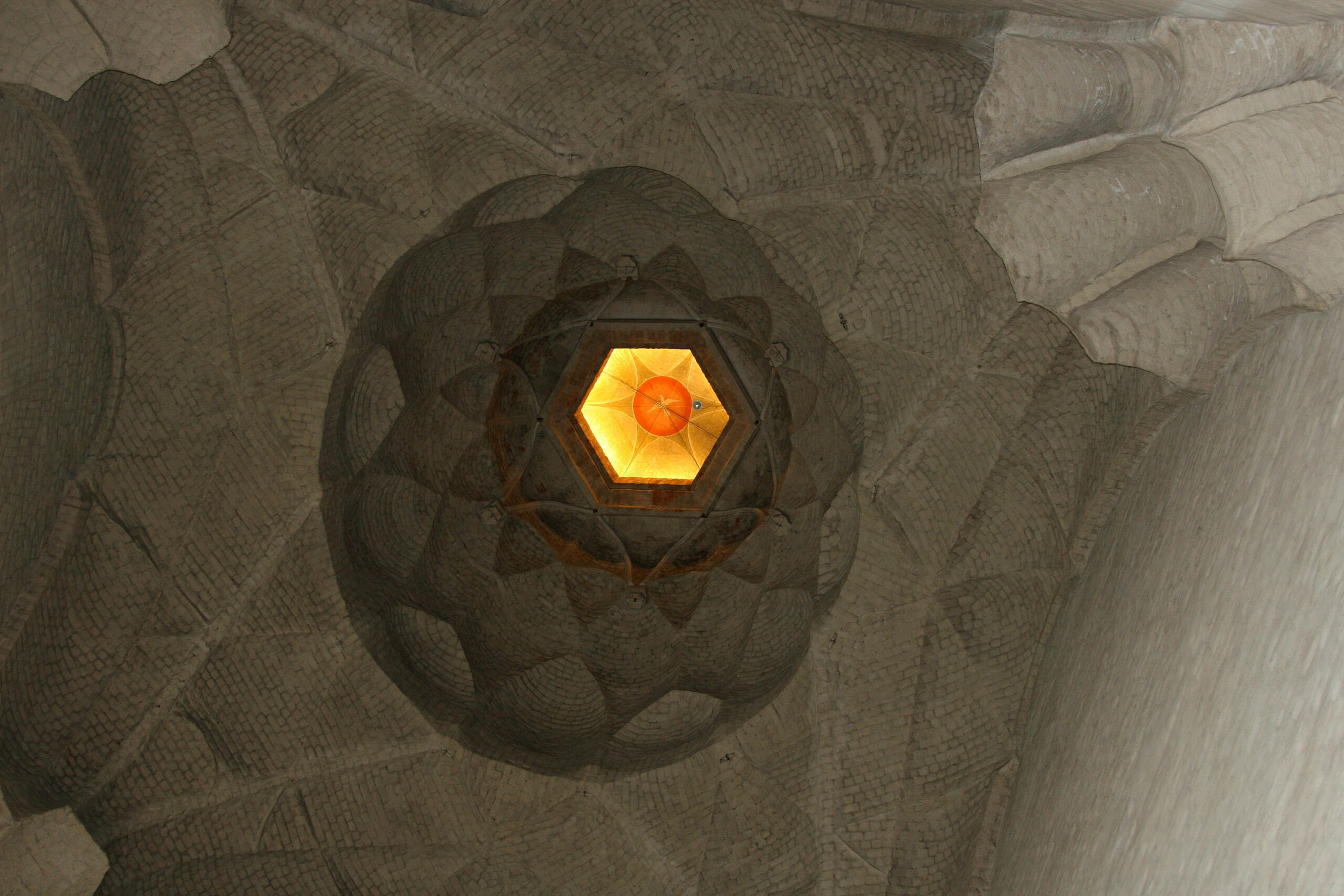
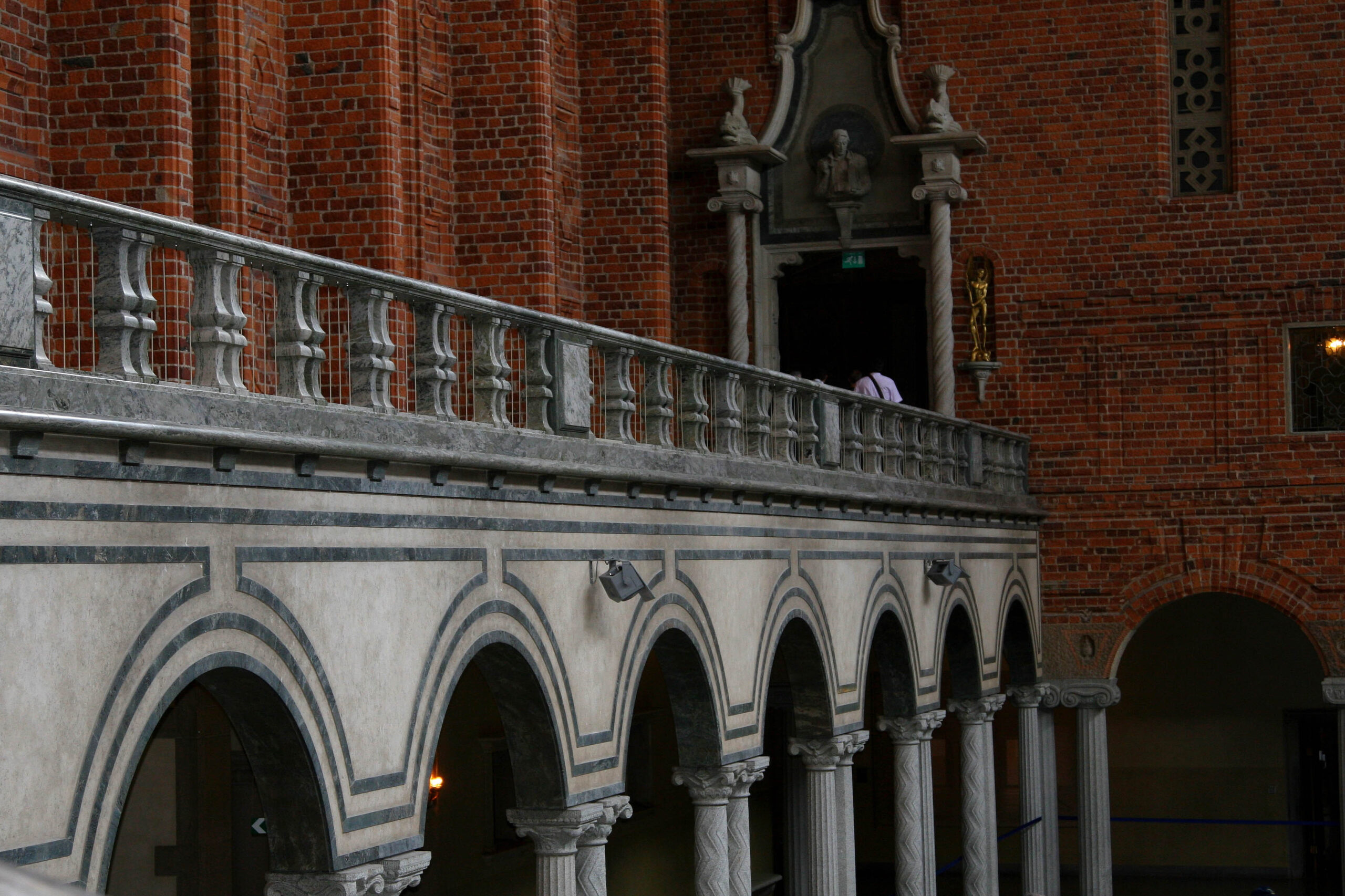
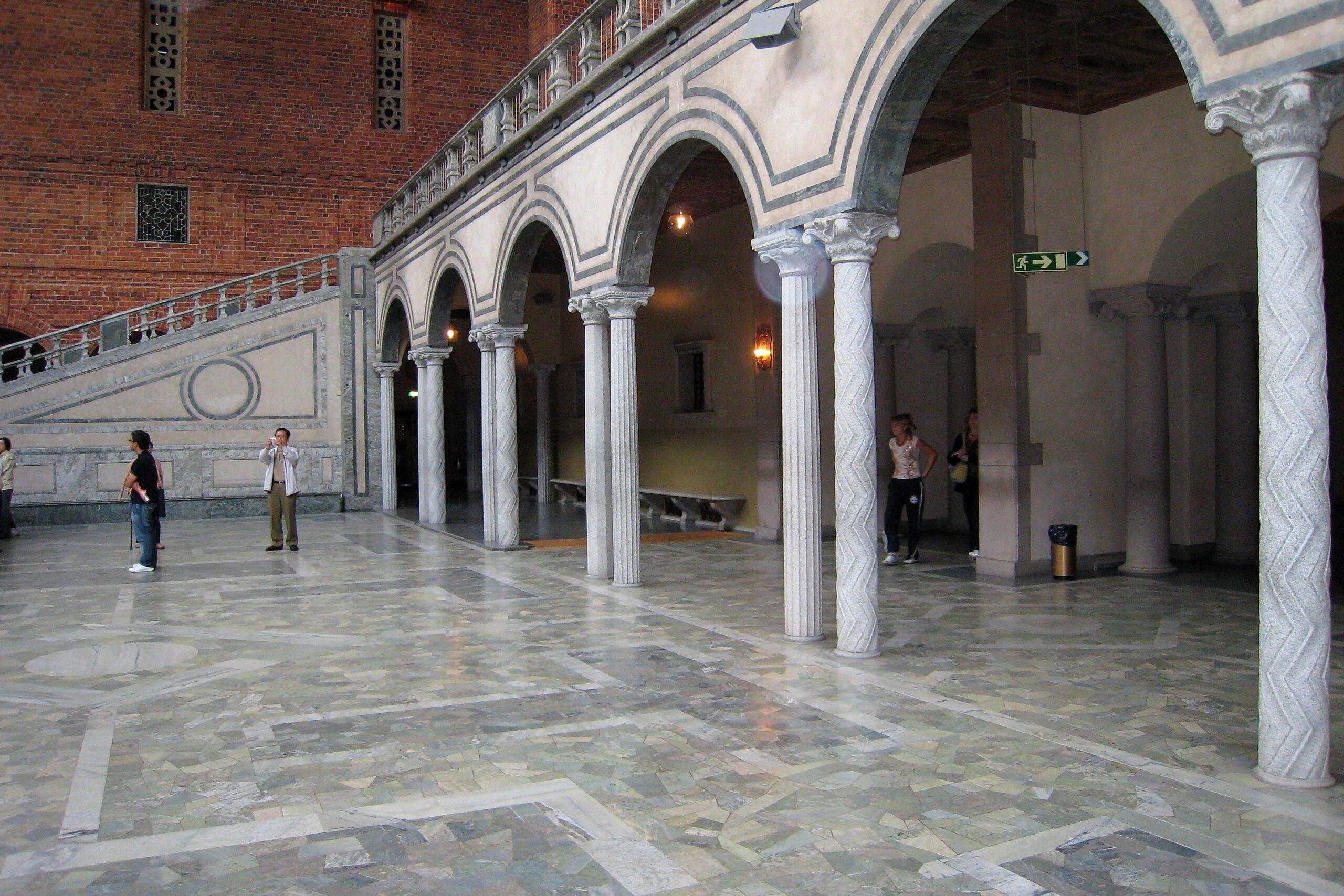
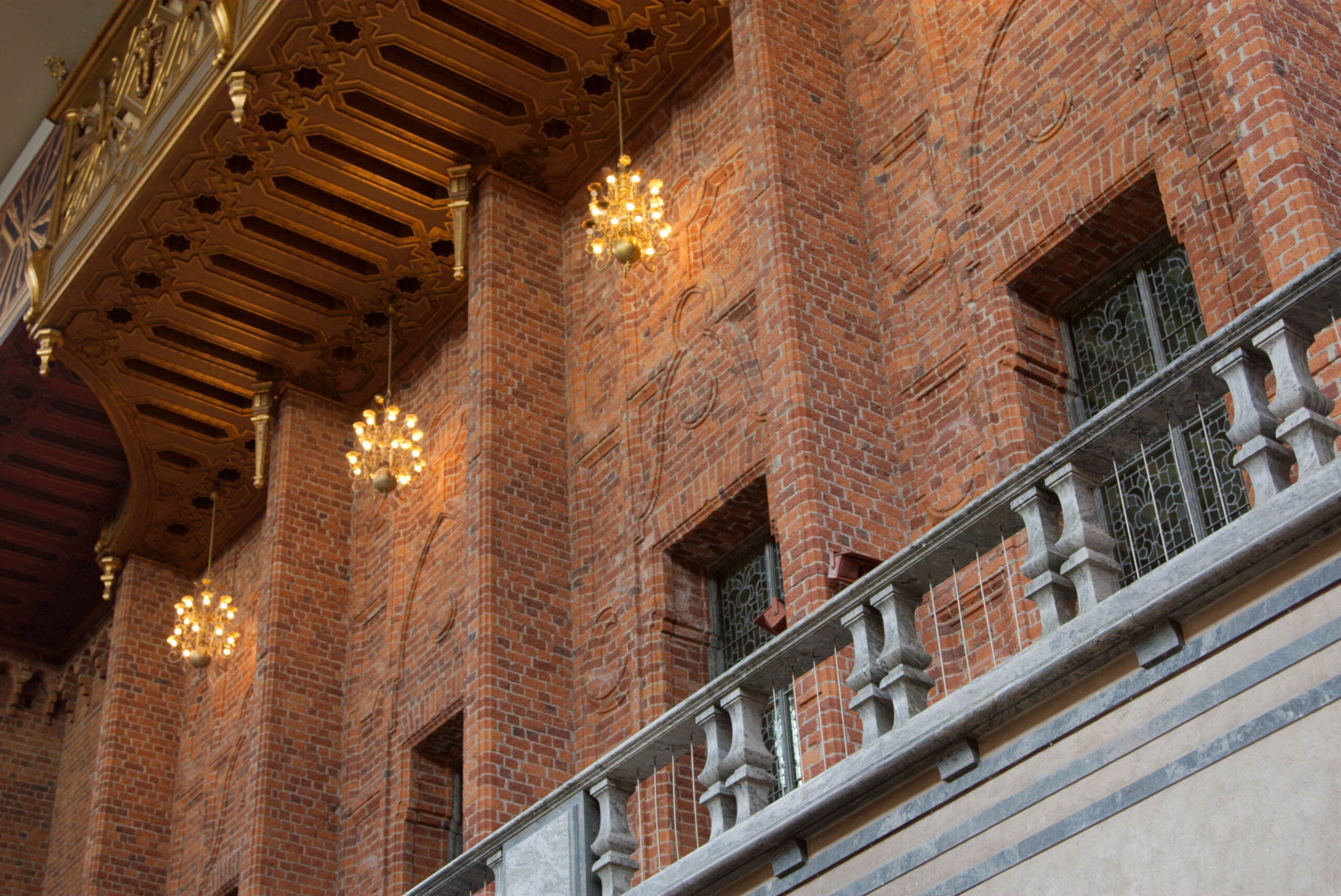
Starting in the vast Blue Hall, and, despite its name, the room glows with the natural warmth of exposed brick, marble staircases, and soaring arcades. Standing beneath the lofty walls, it was easy to appreciate the vision of architect Ragnar Östberg, who decided the beauty of the brickwork should remain visible rather than be covered with blue plaster.
The hall’s immense scale is difficult to appreciate until standing within it. Marble columns support elegant arcades while broad staircases sweep upward toward the ceremonial rooms above. Looking across the polished stone floor, one can easily imagine the transformation that takes place every December when hundreds of distinguished guests gather here for the Nobel Prize Banquet.
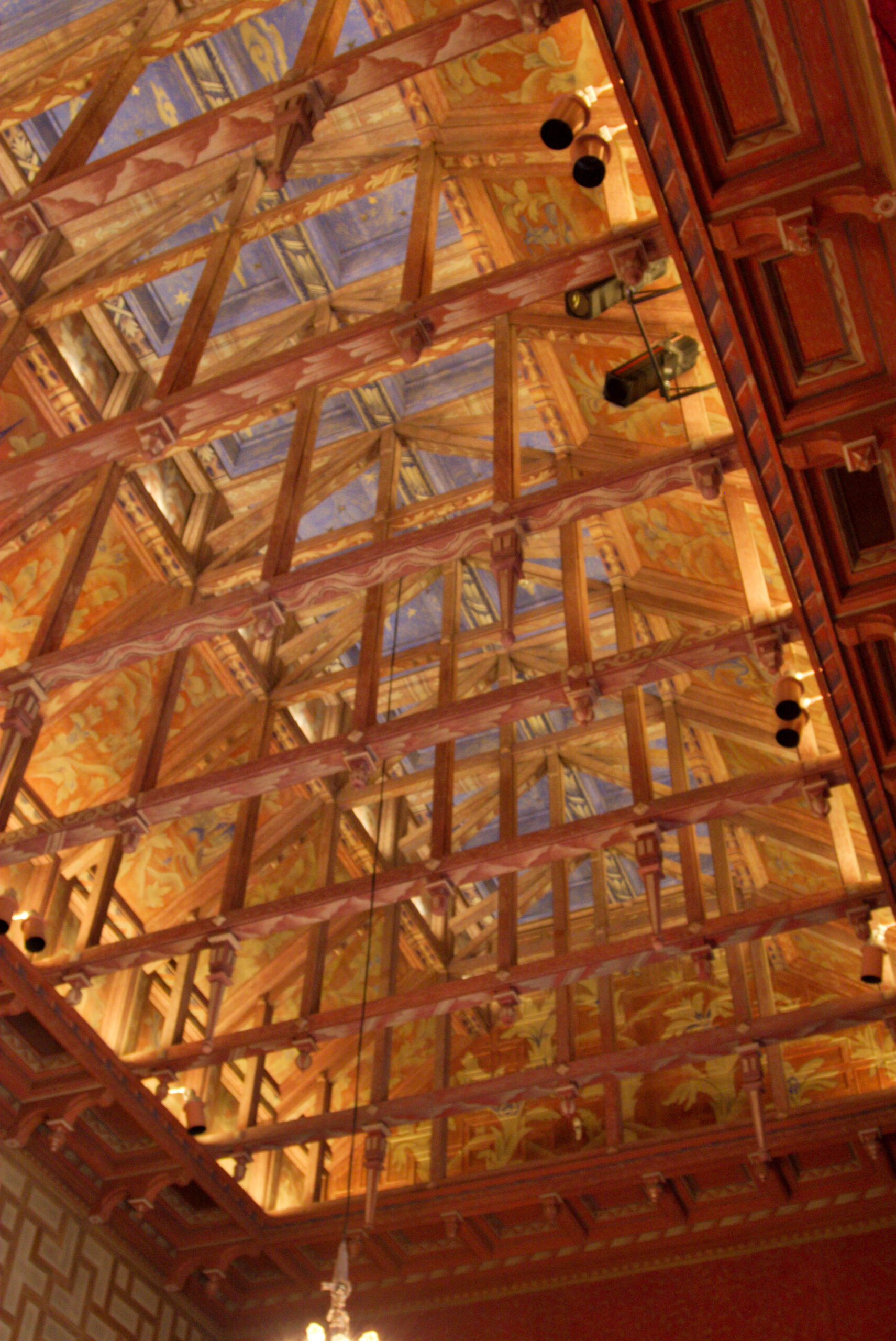
From the Blue Hall, our route led upward through richly decorated chambers and galleries. Ornate brickwork climbed toward painted timber ceilings, where intricate beams and murals celebrated Scandinavian craftsmanship. Every detail seemed purposeful. Nothing felt excessive, yet every surface rewarded close inspection.
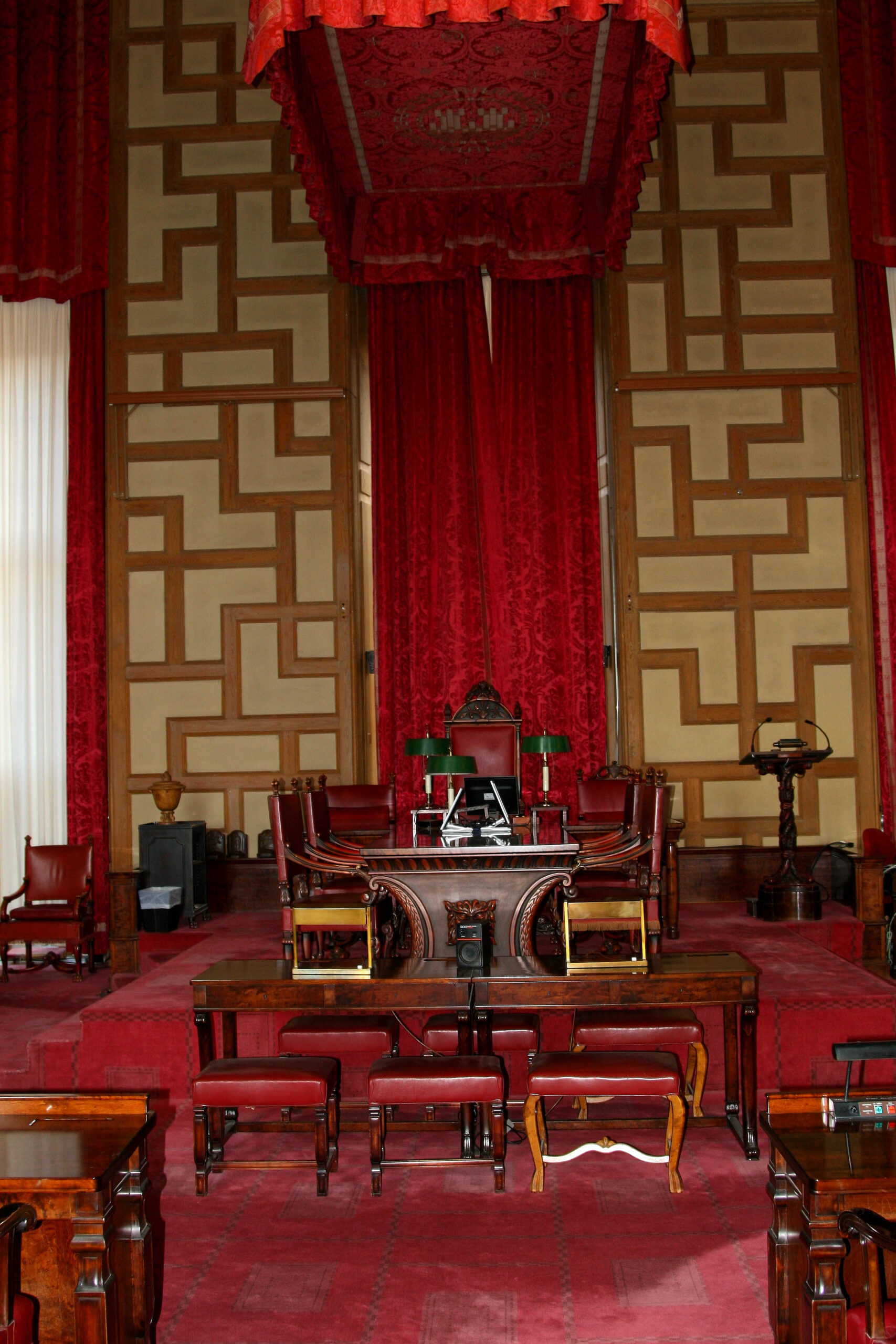
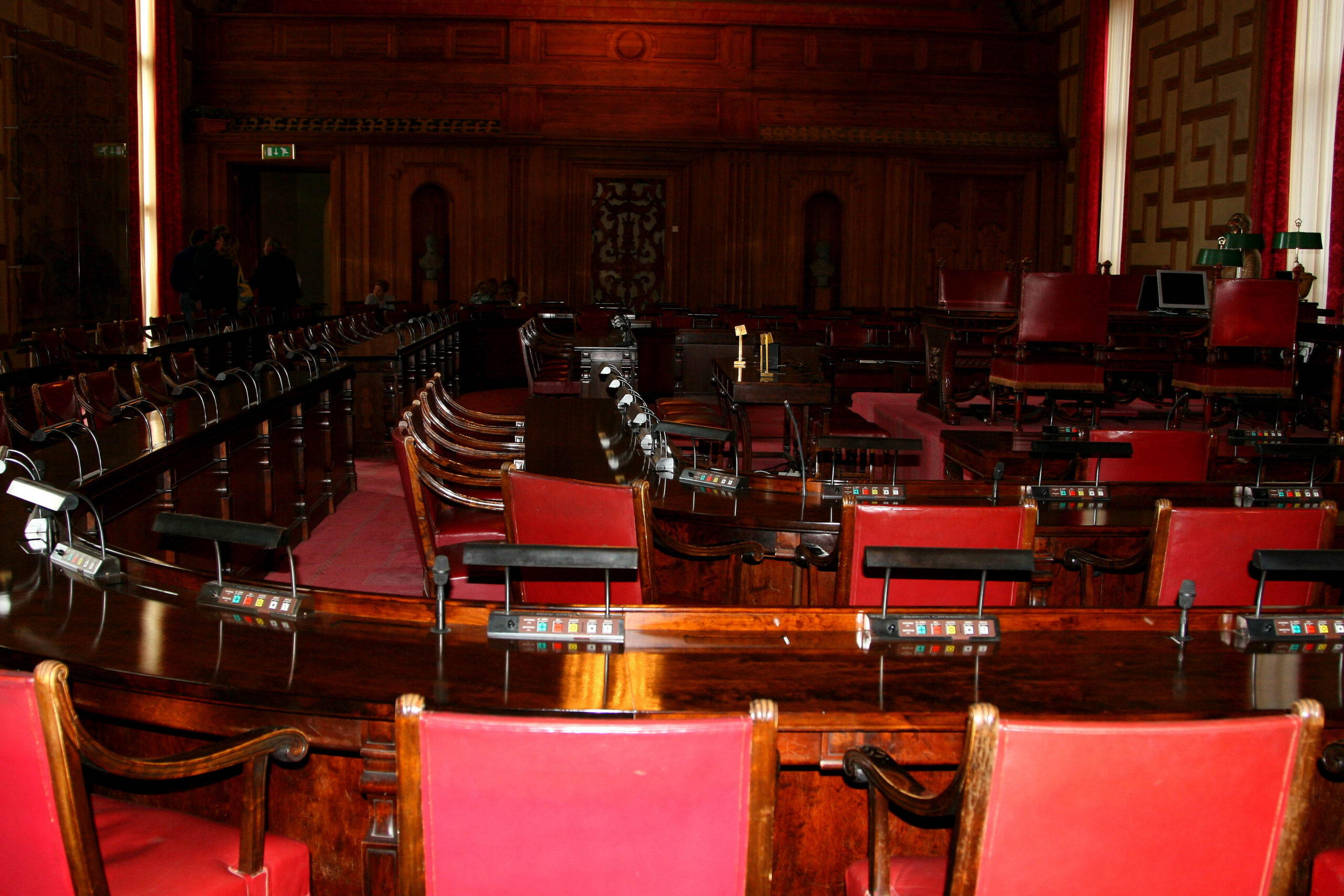
One of the most striking spaces was the Council Chamber, where Stockholm’s elected officials continue to conduct city business. Deep red textiles, dark polished wood, and rows of leather chairs create an atmosphere of dignity and tradition. The room feels both governmental and ceremonial, reminding visitors that City Hall remains a working civic institution rather than merely a historic monument.
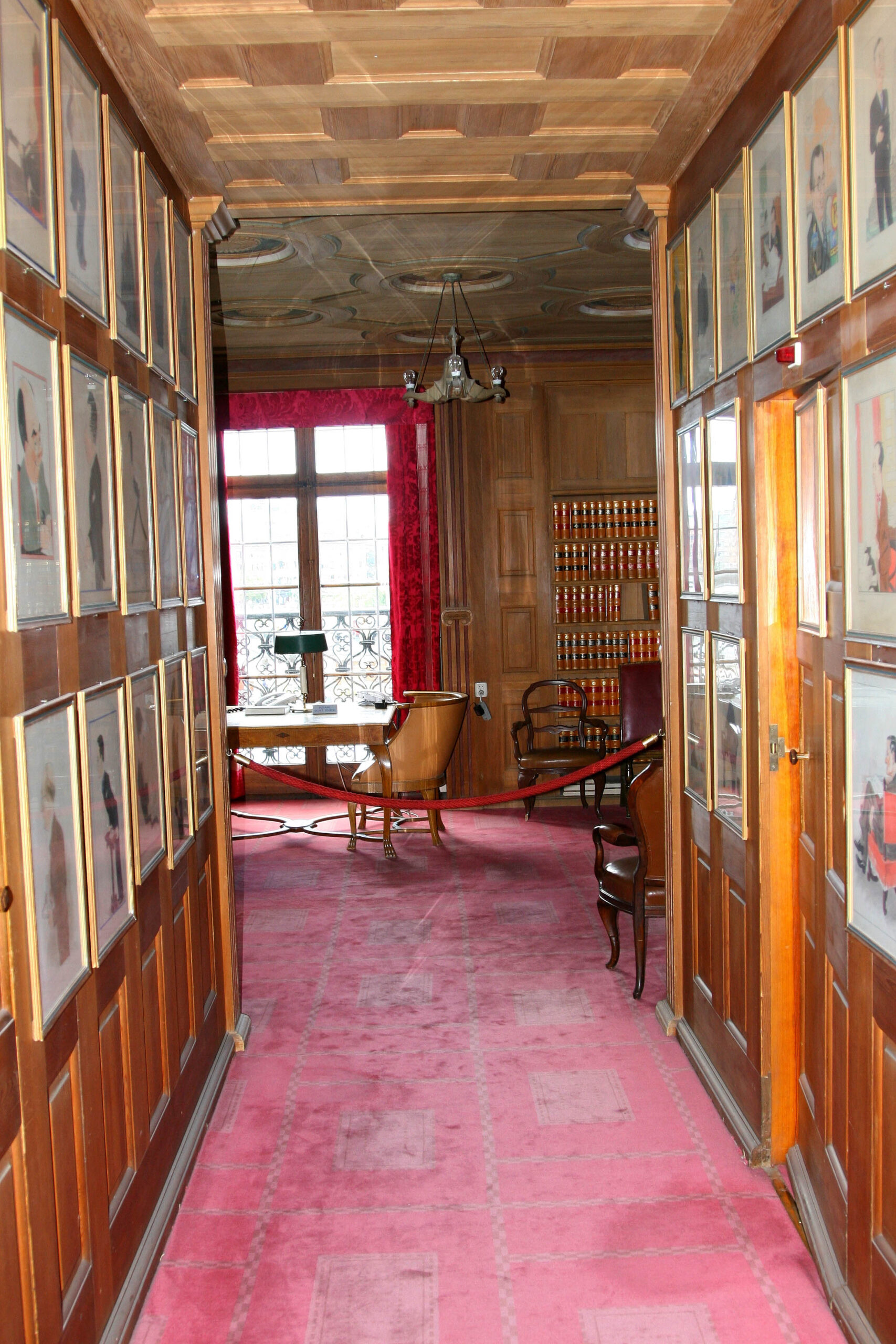
Nearby, quieter corridors revealed another side of the building. Portrait-lined hallways, private offices, and elegant reception rooms offered glimpses into the daily life of the city’s administration. Sunlight filtered through tall windows, illuminating wood-paneled walls and creating an atmosphere more reminiscent of a stately residence than a municipal building.
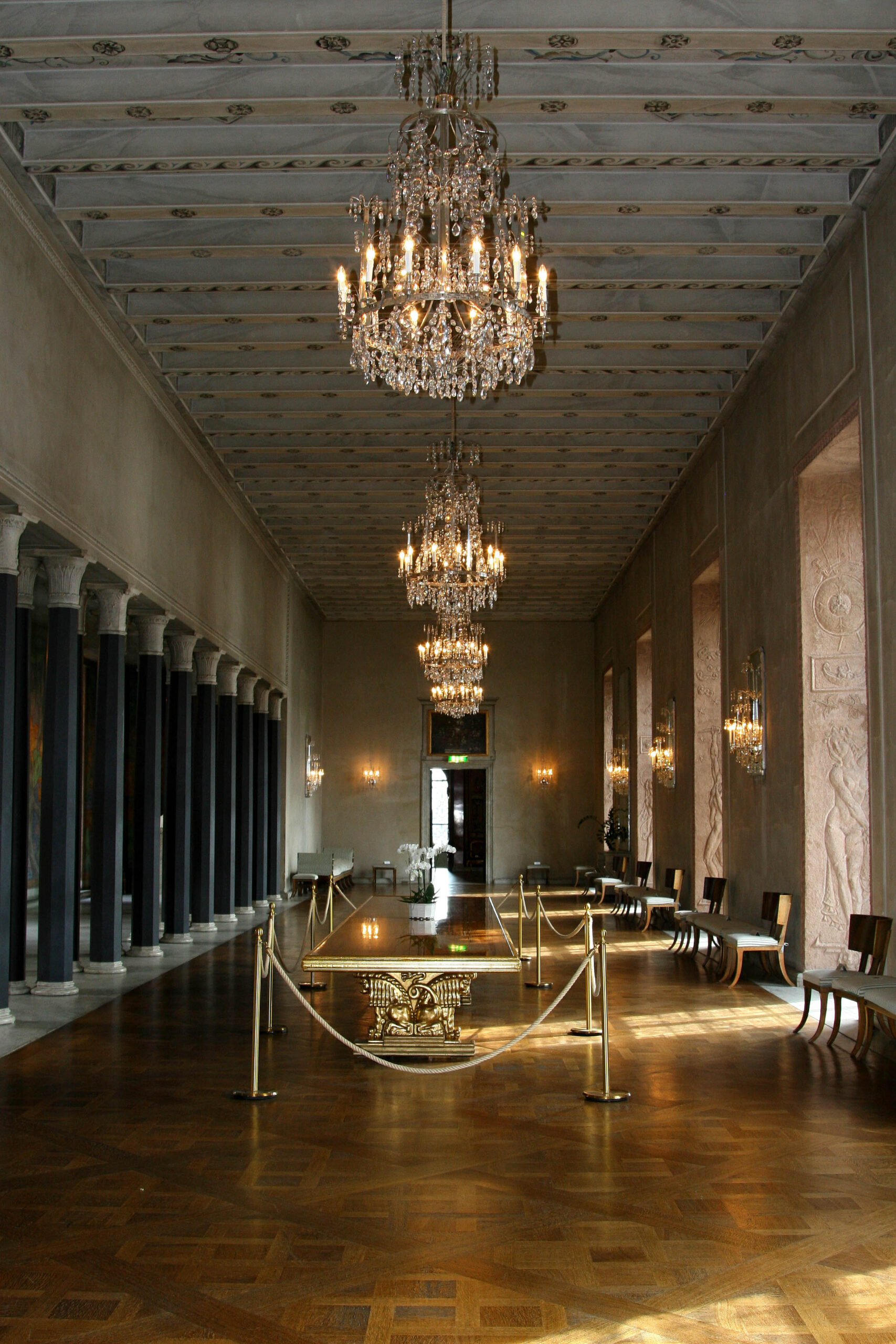
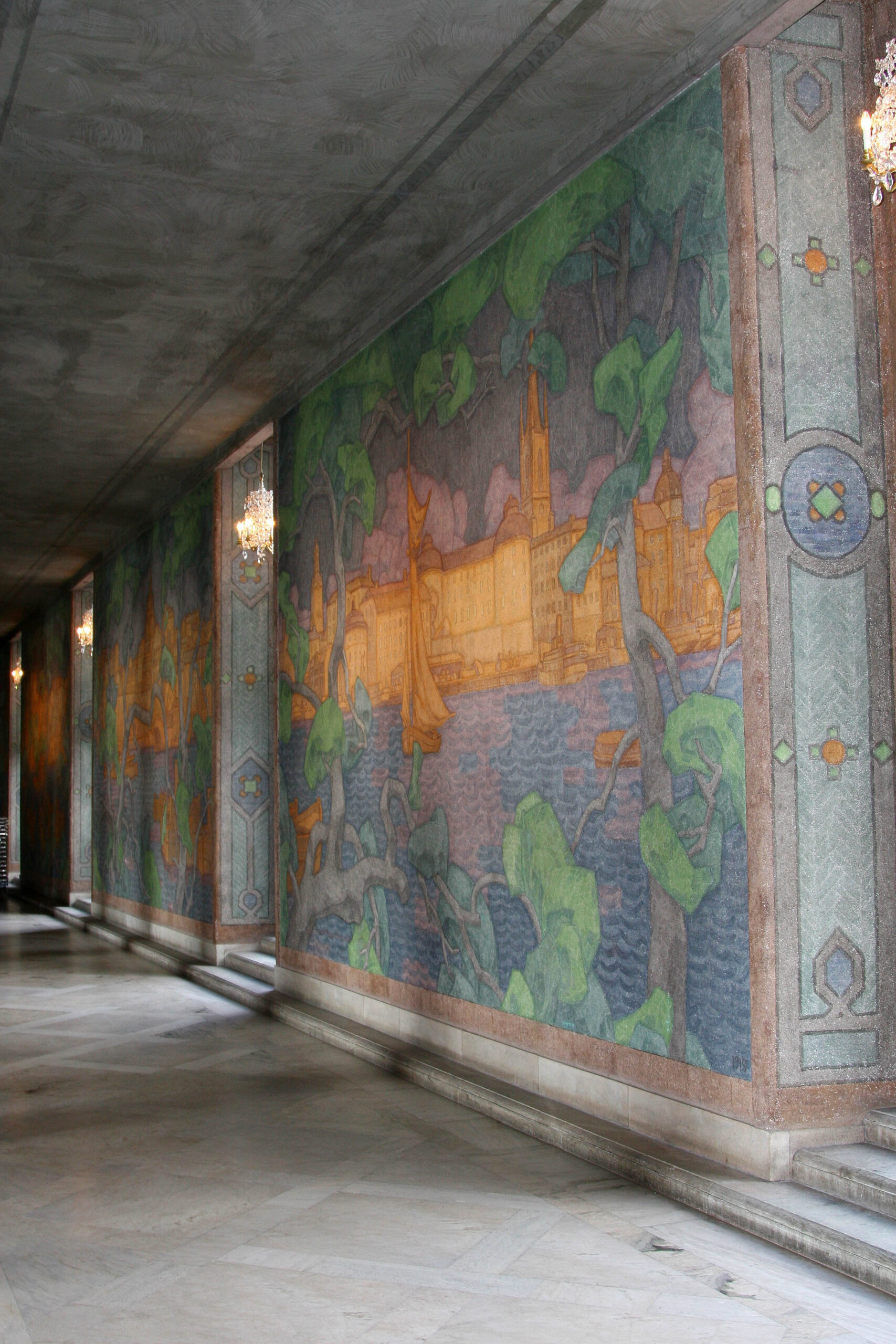
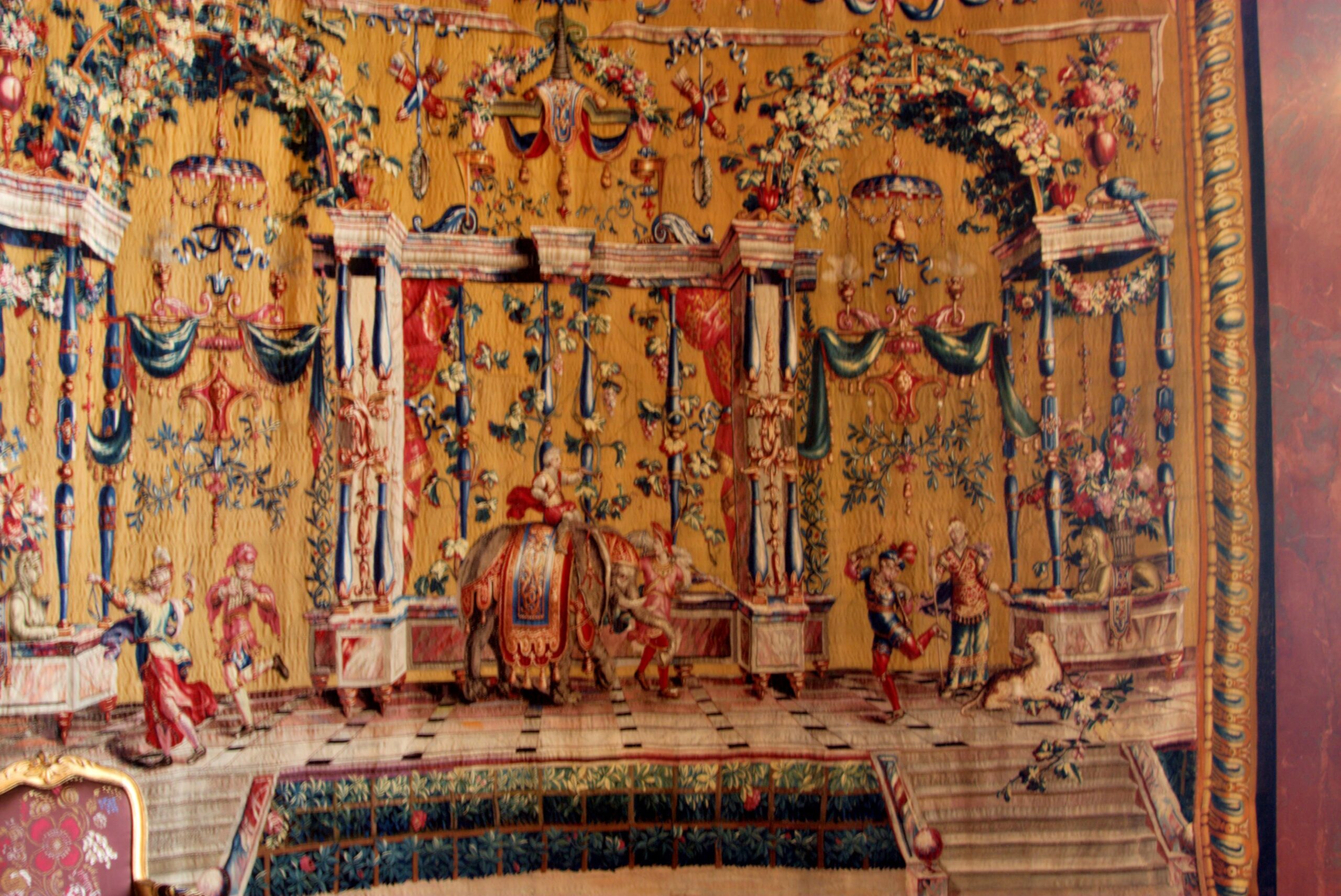
As our visit progressed, long galleries lined with chandeliers stretched beneath painted ceilings. Murals depicting Stockholm’s waterways and skyline transformed ordinary passageways into works of art. Tapestries, stained glass, sculptures, and decorative stonework reflected the extraordinary craftsmanship invested in every corner of the structure.
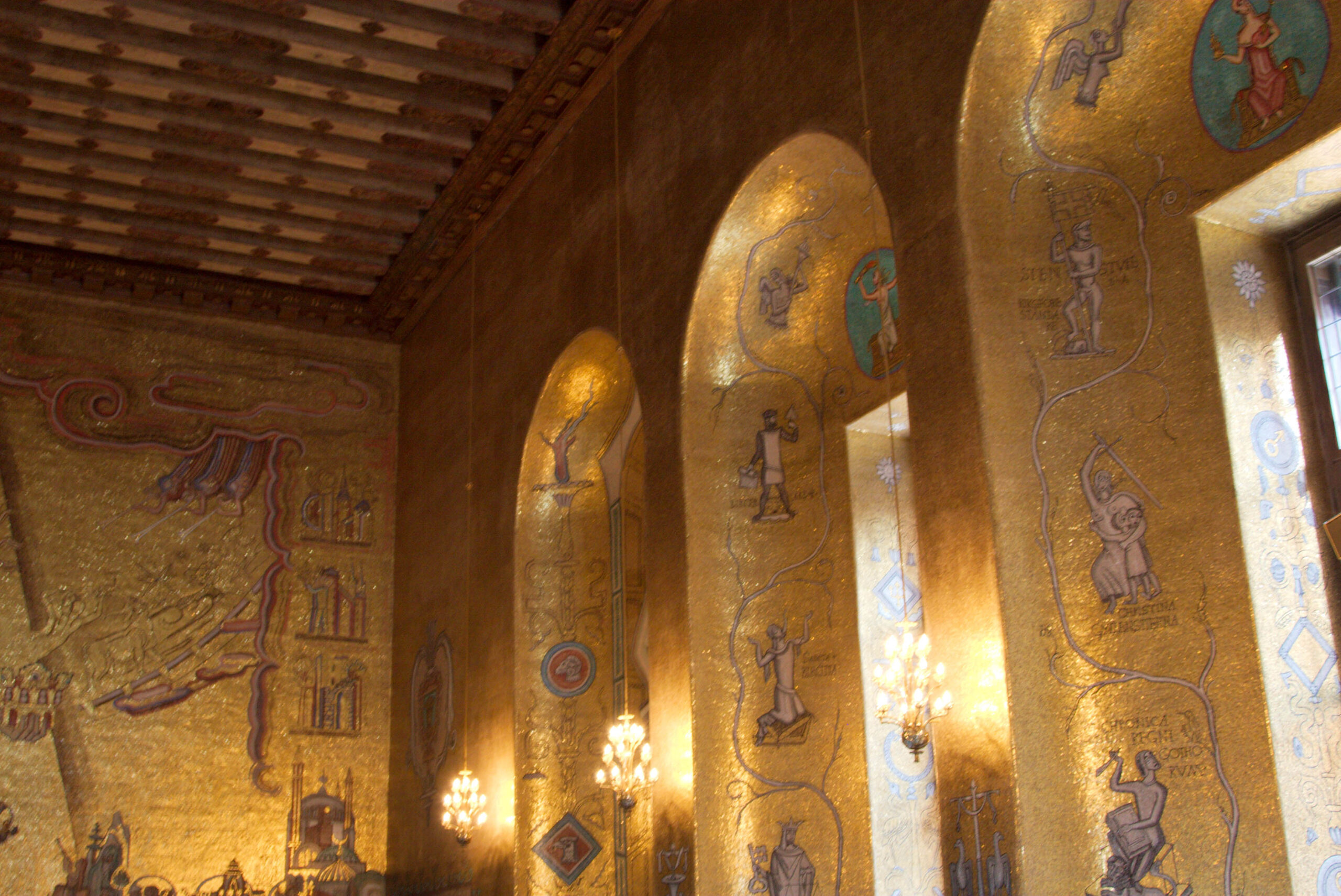
Then we entered the Golden Hall.
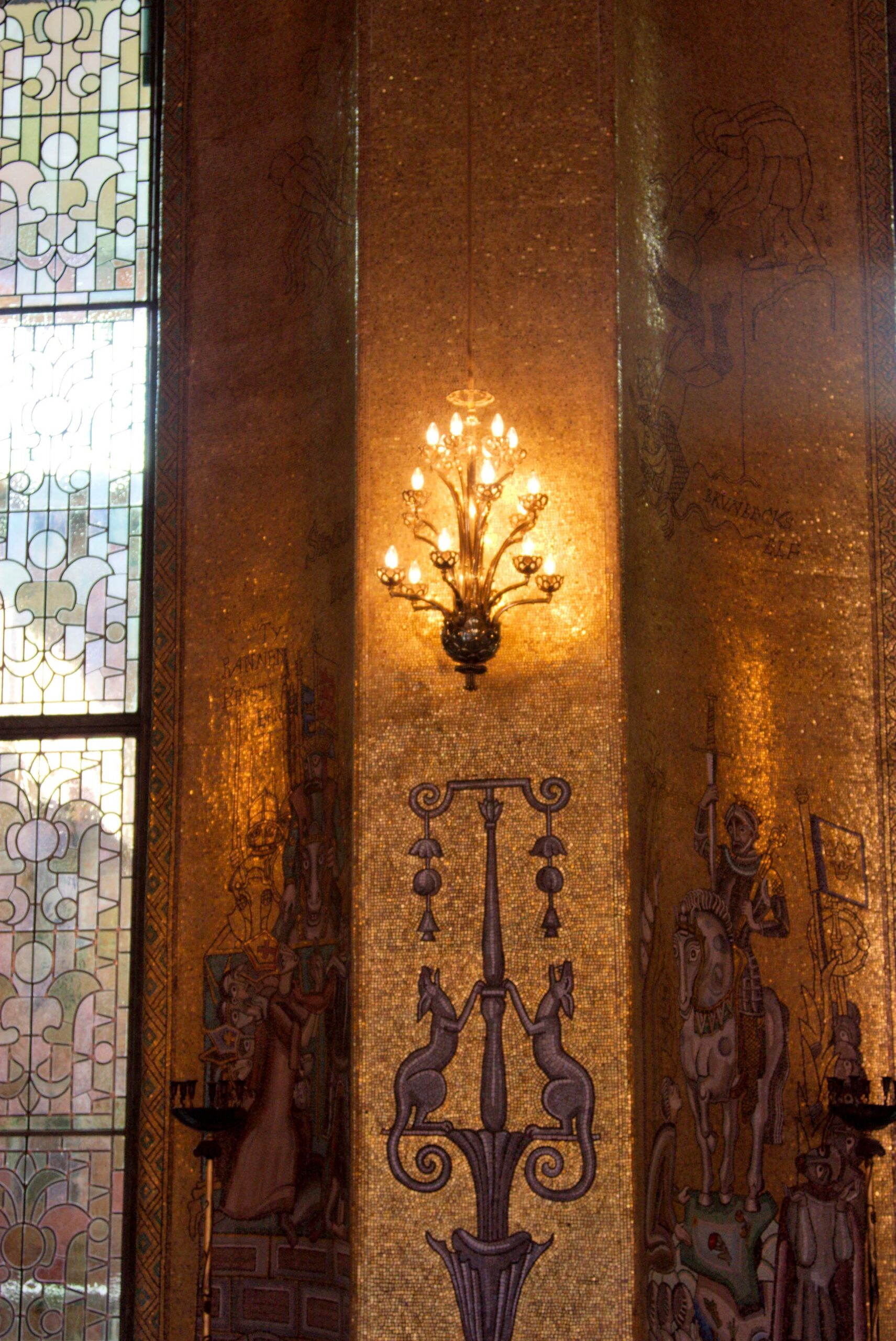
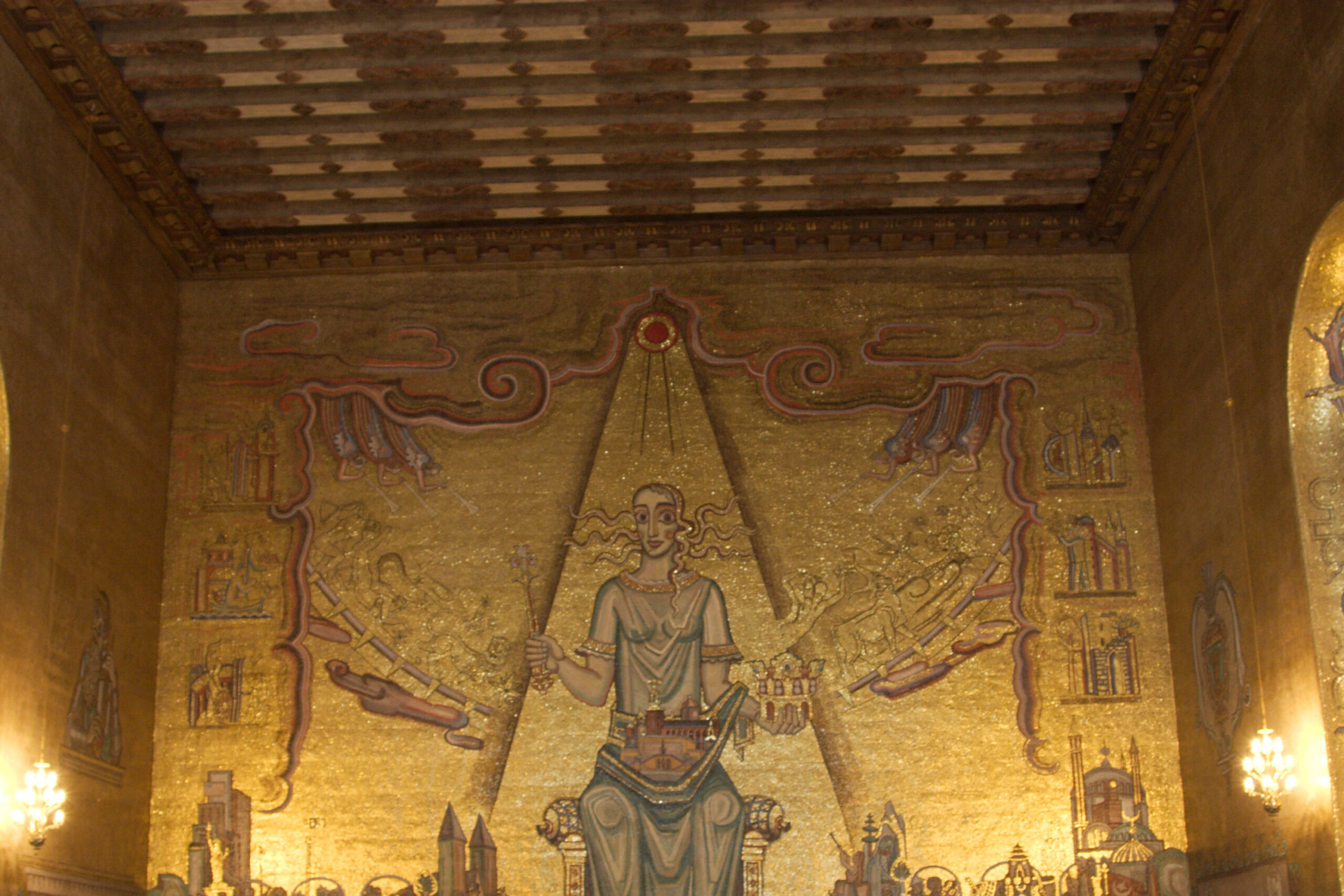
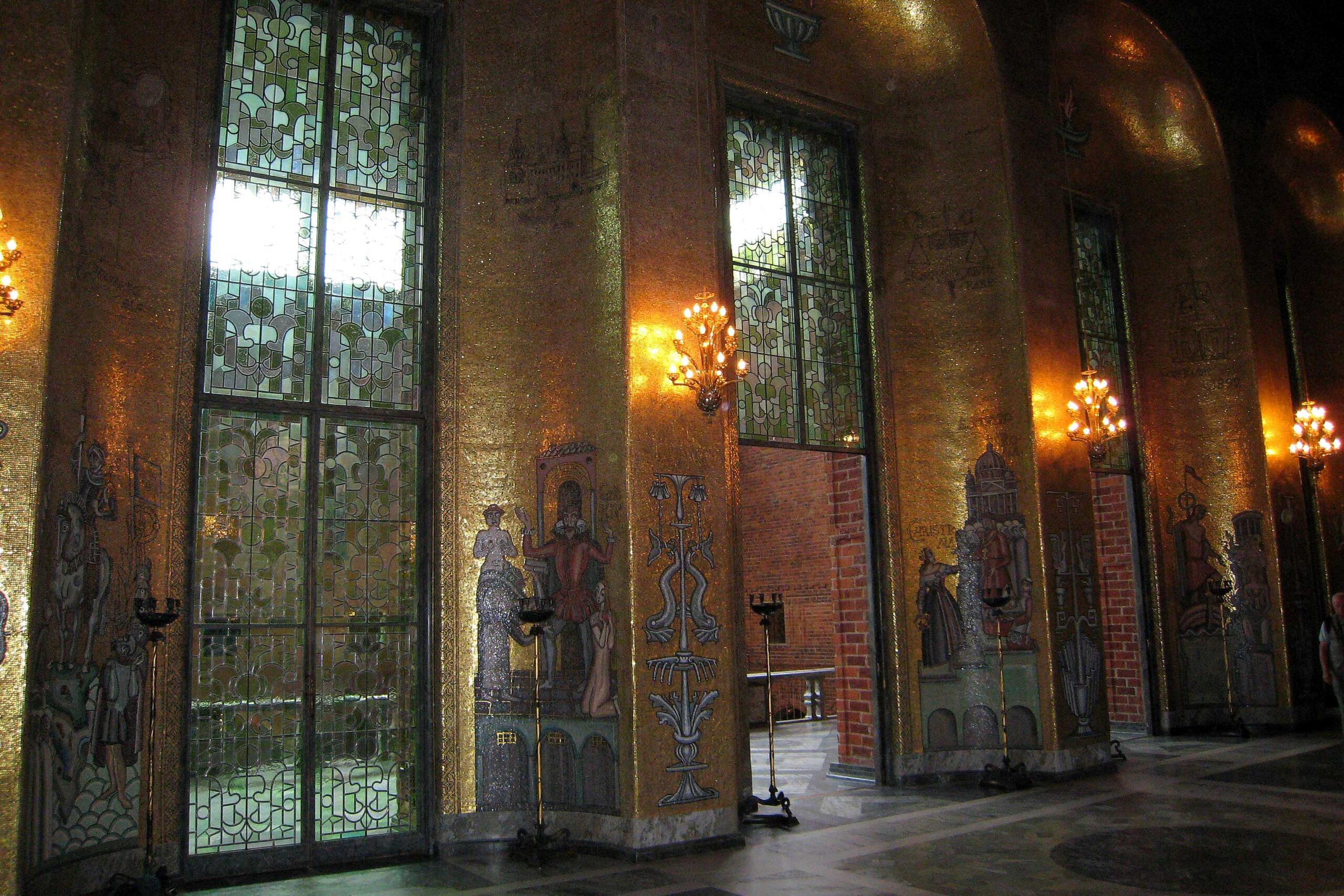
The walls shimmered beneath millions of tiny mosaic tiles infused with genuine gold leaf. Light from the tall windows danced across the surfaces, causing the room to glow as if illuminated from within. Every wall told a story through stylized imagery depicting Swedish history, mythology, and the cultural connections that helped shape Stockholm.
At the far end of the room sat the magnificent Queen of Lake Mälaren, the symbolic guardian of Stockholm. Surrounded by images of cities, churches, ships, and historical figures, she presides over one of Europe’s most remarkable interior spaces.
From a distance the mosaics appear seamless, but up close they reveal an astonishing level of craftsmanship. Millions of individual pieces combine to create scenes that are both monumental and intimate. It is easy to understand why Nobel guests gather here after the banquet for music, dancing, and celebration.
Throughout the visit, City Hall revealed itself as much more than the backdrop for the Nobel festivities. It is a monument to Swedish design, a celebration of civic pride, and a showcase of exceptional artistry. The building succeeds because it balances grandeur with humanity. Vast halls are softened by handcrafted details. Monumental architecture is complemented by intimate spaces.
Nearly a century after its completion, it continues to serve Stockholm while welcoming visitors from around the world—offering each person the chance to stand where Nobel laureates dine, where city leaders govern, and where Swedish history is preserved in brick, stone, wood, and gold.
Now, on to the Vasa Museum and the Ice Bar!